Image SEO for Roofers: Before-and-After Photos That Help You Rank
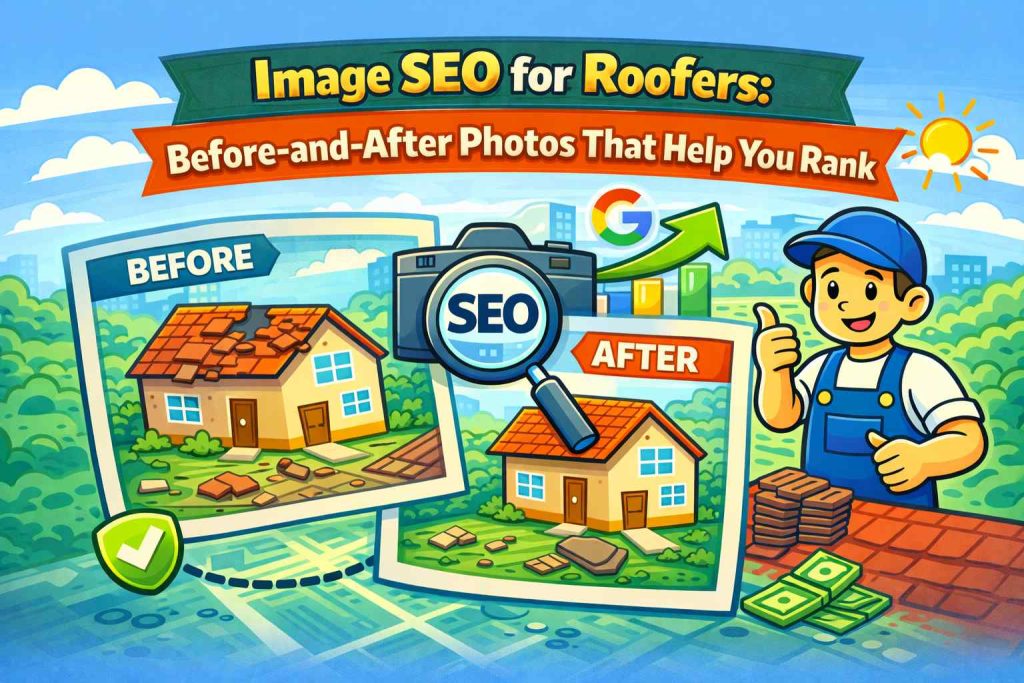
Before-and-after photos are one of the most powerful assets roofing companies have—not just for conversions, but for SEO. When optimized correctly, images help your website rank higher, improve local visibility, and increase trust with homeowners deciding who to call.
This article breaks down how roofers should use image SEO, especially before-and-after photos, to support rankings and turn visual proof into real leads.
Why Image SEO Matters for Roofing Websites
Roofing is visual by nature. Homeowners want proof before they trust a contractor.
Well-optimized images help:
- Improve page relevance for Google
- Rank in Google Images
- Strengthen service and location pages
- Increase time on site and conversions
Image SEO works best when paired with strong service pages and local SEO structure. If your foundation isn’t set yet, start with the core framework at https://roofseo.net/services/.
Where Before-and-After Photos Should Be Used
Before-and-after images shouldn’t live only in a gallery.
High-impact placements:
- Roof repair service pages
- Roof replacement pages
- Storm damage pages
- Location pages
- Blog posts explaining repairs or projects
Images should support the content’s intent—not distract from it.
How to Name Roofing Images for SEO
Image file names matter more than most roofers realize.
Bad example:
- IMG_4920.jpg
Good example:
- roof-replacement-before-after-calgary.jpg
- hail-damage-roof-repair-denver.jpg
Best practices:
- Use descriptive keywords
- Include service + city when relevant
- Use hyphens, not underscores
- Avoid keyword stuffing
File names help Google understand image context before it even reads the page.
Optimize Alt Text for Roofing Keywords
Alt text helps Google interpret images and improves accessibility.
Strong alt text examples:
- “Before and after roof replacement in Dallas Texas”
- “Hail damage roof repair before and after in Denver”
Alt text should:
- Describe what’s visible
- Include service and location naturally
- Avoid spammy repetition
Alt text should match the page topic—not force keywords.
Use Images to Strengthen Location Pages
Before-and-after photos are extremely effective on location pages.
They:
- Prove local experience
- Reinforce geographic relevance
- Increase trust for “roofer near me” searches
Each location page should include real projects from that area whenever possible. This aligns directly with your local SEO structure at https://roofseo.net/locations/.
Image SEO for Storm Damage and Insurance Content
Storm-related images perform exceptionally well.
Use before-and-after photos for:
- Hail damage repairs
- Wind damage restoration
- Emergency tarping
- Insurance claim-related work
These images increase relevance for storm keywords and support insurance-driven leads when paired with the right content.
Compress Images Without Killing Quality
Large images slow your site—and hurt rankings.
Best practices:
- Compress images before uploading
- Use modern formats like WebP
- Resize images to actual display size
- Avoid uploading raw phone photos
Fast-loading images support Core Web Vitals and improve user experience.
Add Context Around Images
Google doesn’t rank images in isolation—it ranks pages.
Each image should be surrounded by:
- Relevant headings
- Explanatory text
- Service-focused content
For example:
- Explain the problem shown in the “before”
- Describe the solution shown in the “after”
- Mention materials, process, or timeline
This context strengthens the SEO value of the image.
Use Images in Blog Content to Capture Long-Tail Traffic
Blog posts with real images outperform stock content.
High-performing blog image topics:
- “Roof replacement before and after in [City]”
- “Hail damage roof repair case study”
- “Leaking roof repair walkthrough”
These posts support your service and location pages and should live within your content hub at https://roofseo.net/blog/.
Avoid Common Image SEO Mistakes
Avoid these:
- Uploading huge, uncompressed images
- Using stock photos everywhere
- Missing alt text
- No local relevance in visuals
Google values authenticity—real roofing images outperform generic stock photos every time.
How Image SEO Supports Conversions
Beyond rankings, images:
- Build trust instantly
- Reduce hesitation
- Increase call and form conversion rates
Homeowners want to see proof before they believe claims.
Final CTA: Turn Roofing Photos Into Rankings and Leads
Your before-and-after photos are more than marketing—they’re SEO assets when used correctly.
If you want:
- Image SEO optimization across your site
- Better rankings for service and location pages
- Higher conversions from visual trust
Book a strategy call or request an SEO audit here:
👉 https://roofseo.net/contact-2/
When optimized properly, your roofing photos work just as hard as your written content.