How to Track Roofing SEO ROI: Calls, Form Fills, and Signed Jobs
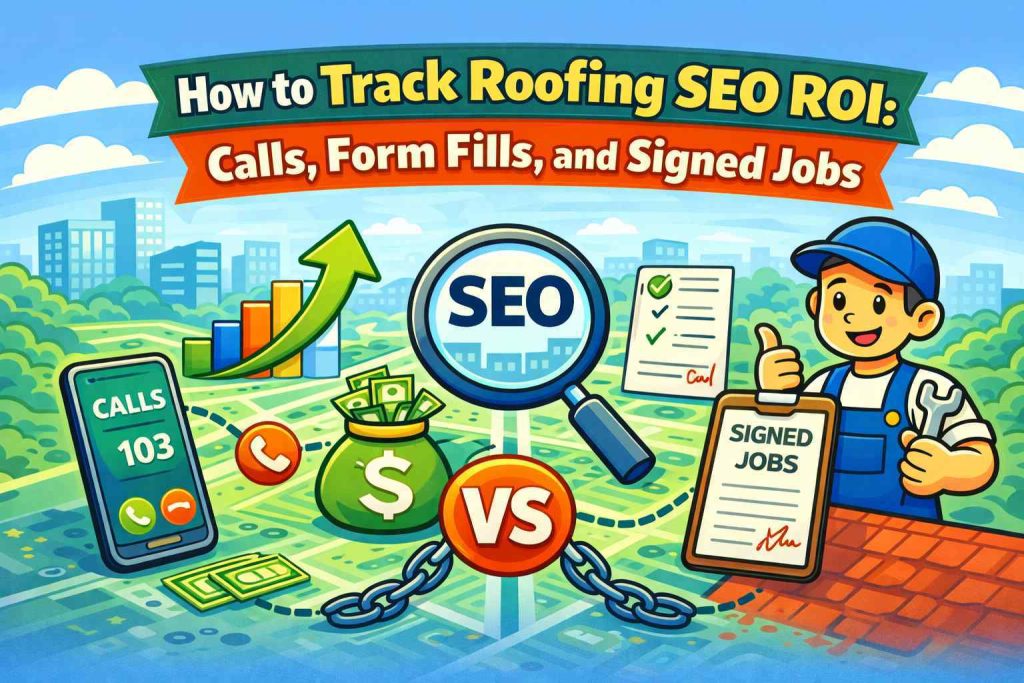
One of the biggest frustrations roofing companies have with SEO is not knowing whether it’s actually working. Rankings and traffic look nice—but they don’t pay the bills. Real SEO success is measured in phone calls, form fills, and signed jobs.
This guide explains how to properly track roofing SEO ROI, so you can connect rankings and traffic to real revenue.
Why Roofing SEO ROI Is Often Misunderstood
Many roofers judge SEO using vanity metrics:
- Keyword rankings
- Page views
- Impressions
These numbers don’t tell you whether SEO is generating money. Roofing SEO must be tracked based on lead quality and closed deals, not just visibility.
SEO works best when tied into a clear service and conversion structure. If your foundation isn’t set up correctly yet, start with the framework at https://roofseo.net/services/.
Step 1: Track Phone Calls From SEO Traffic
For most roofing companies, phone calls are the primary conversion.
What to track:
- Calls from organic search
- Calls from service pages
- Calls from location pages
Best practices:
- Use call tracking numbers for SEO traffic
- Track call duration
- Record call source and page
Longer calls generally indicate higher intent. Emergency repair and storm-related pages often produce the most valuable calls.
Step 2: Track Form Fills by Page and Service
Not every visitor calls immediately.
Track:
- Contact form submissions
- Inspection request forms
- Quote requests
Important details:
- Which page the form came from
- Service selected
- City or service area
This data helps identify which services and locations drive the best leads.
Step 3: Connect Leads to Signed Roofing Jobs
This is where most SEO tracking falls apart.
To track real ROI:
- Log every lead in your CRM
- Tag leads by source (SEO, ads, referrals)
- Track closed jobs and revenue per source
Over time, this shows exactly how much revenue SEO generates compared to other channels.
Step 4: Track ROI by Service Type
Not all roofing leads are equal.
Break down SEO performance by:
- Roof repair
- Roof replacement
- Storm damage
- Commercial roofing
This allows you to double down on the services that generate the highest revenue, not just the most leads.
Step 5: Track ROI by Location
If you serve multiple cities, location-level tracking is critical.
Track:
- Calls and forms by city page
- Job value by location
- Conversion rates by service area
This data supports smarter expansion and reinforces the importance of a clean locations structure like https://roofseo.net/locations/.
Step 6: Use Content to Influence the Sales Funnel
Blog content often assists conversions—even if it doesn’t directly convert.
Track:
- Blog pages visited before a call
- Educational content that appears in closed deals
- Content that shortens the sales cycle
Supporting content should live under your blog hub at https://roofseo.net/blog/ and feed into your services and location pages.
Step 7: Measure SEO Performance Over Time (Not Weeks)
SEO ROI compounds.
What to monitor monthly:
- Lead volume trends
- Cost per lead over time
- Revenue per lead
- Close rate from organic traffic
Unlike paid ads, SEO often becomes cheaper and more profitable the longer it runs.
Common Mistakes When Tracking Roofing SEO ROI
Avoid these:
- Relying only on Google Analytics traffic
- Ignoring call tracking
- Not tagging leads correctly
- Judging SEO too early
Poor tracking makes good SEO look bad.
How to Prove SEO Is Worth the Investment
When tracked properly, roofing SEO often shows:
- Lower cost per lead than paid ads
- Higher close rates
- Stronger long-term ROI
The key is connecting marketing data to sales outcomes.
Final CTA: Get Clear Visibility Into Your SEO ROI
If you don’t know how much money SEO is making you, you can’t scale it confidently.
If you want:
- Clear ROI tracking
- Better lead attribution
- SEO decisions based on revenue, not guesses
Book a strategy call or request an SEO audit here:
👉 https://roofseo.net/contact-2/
SEO becomes powerful when you can see exactly what it returns.